We are glad to inform you, that our new report is available in German language under the heading „Gefangen in Europas Morast: Die Situation von Asylsuchenden und Flüchtlingen in Bulgarien“ is published. You can download the German Version here.
Update: See as well the Vice News episode „Trapped in Bulgaria“ from the television show „Europe or die“. In January a protest, staged by refugees, took place in Harmanli against xenophobia (1, 2).
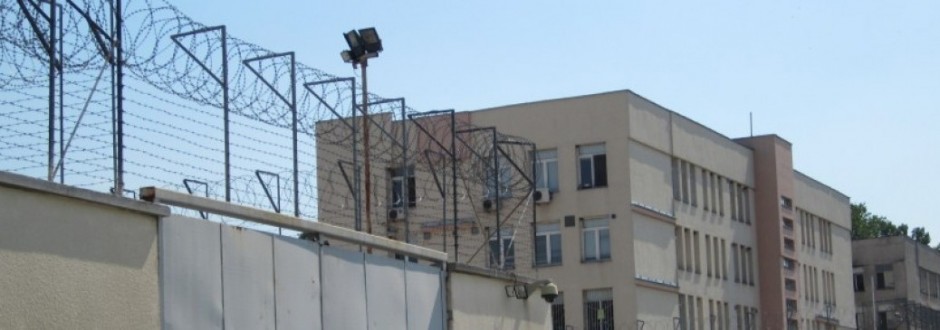
According to information received from asylum seekers, there has been a hunger strike in the detention facility in Lyubimets for the last few days. Nearly 100 people, including women and children, have taken part in the protest action. The reasons behind the strike, according to this information, lie in the bad living and sanitary conditions in the camp, where the toilets are unbearably filthy. People want to leave the camp. Hammad [1] a participant in the strike, said: „Please tell the media that we don’t want to claim asylum here, because Bulgaria is a very poor country.“ On 18th September the strikers stopped the protest, because the authorities promised that the conditions will improve. „If things won’t get better, then we will continue“, Hammad added. At the moment there are about 400 people detained in Lyubimets.
Meanwhile push-backs at the Bulgarian-Turkish border continue. Human Rights Watch reported several incidents in August and September 2014. On 17th September, Bordermonitoring Bulgaria (BMB) was informed of another push back that happened the same day. According to information, received by a family member of the syrian asylum seekers who attempted to come into Bulgaria, the two families with children had reached Malko Tarnovo in Bulgaria. While on their way to the police station, where they intended to state they were seeking asylum, a police car stopped them, and the officers took their phones and some of their money. The families were then asked to leave Bulgaria. When they refused, the police threatened them and sent them back to Turkey.
A video, published by Bulgarian National Television, shows police men beating an asylum-seeker in the camp in Voenna Rampa, Sofia. The incident has taken place on July 30th 2014, when a group of asylum-seekers protested their removal from the camp in Sofia to the one in Harmanli. A while ago it became clear that there are thousands return applications from all over Europe awaiting approval by the Bulgarian government, where 3,000 come from the German government. In light of the large number of expected returns from other European countries and the increased number of newly registered applications (more than 600 for the months of April, May and June 2014) and border crossings, the Bulgarian government decided to remove status-holders from the camps in Sofia and to accommodate them in the camp in Harmanli so as to free space for the new comers.
In the light of the latest developments in the situation of refugees and asylum seekers in Bulgaria Bordermonitoring is sad to observe its most feared concerns coming true. It became apparent that the solutions to the refugee crisis with regards to accommodation that offered prolonged stays in the centers were temporary and easy to revoke, as we have underlined in our report. The returns to Bulgaria expose refugees and asylum seekers in the country to homelessness and institutional violence (the Head of SAR has warned that the refugees who do not wish to leave the SAR centers will be forced to do so). Thus, countries returning refugees and asylum seekers to Bulgaria not only add to the chaos but they also willingly send people back to a situation which fosters homelessness, economic disparity, and both institutional and physical violence. Meanwhile the Bulgarian authorities have announced the completion of the 33 km long fence on the turkish-bulgarian border.
Trapped in Europe’s Quagmire: The situation of asylum seekers and refugees in Bulgaria is Bordermonitoring’s report on Bulgaria. The making of the report was undertaken by four independent researchers and follows structural conditions in the country which place asylum-seekers and refugees in an extremely vulnerable position as well as their current precarious situation.
The themes covered in the report are as follows:
Push-backs and violence at the Bulgarian border
From overcrowded camps to the production of homelessness
Integration in flux: a path to exclusion in a state of chaos
Xenophobia and racists assaults: institutions, far-right, street violence
Asylum procedures: the legal experts’ opinion
Europe’s most unwanted: restrictions on free movement
Bordermonitoring advises against the conduct of Dublin returns to Bulgaria until the country can ensure dignified treatment of all asylum-seekers and refuges on its territory. Bordermonitoring continues to closely follow the developments in Bulgaria.
The reports on stories collected in Bulgaria, while the journalist Andrea Rehmsmeier, visited the country in the months of April and May 2014. The broadcast covers the hardships that status-holders endure after the granting of their status. As a 19 year old Palestinian reports:
If you got this passport, than you have to leave the camp within a transition period of one month. Because the Bulgarian state is taking the view: From us you got what you wanted. Now go to work, or sleep in the street, this is not our problem anymore. From now on you are responsible for yourself!
Andrea Rehmsmeier shows the dangerous situation in Bulgaria that arises from the spread of extreme far-right tendencies. As one of her interviewees, a volunteer who helps asylum-seekers and refugees, shares:
On Facebook people write things that I don’t really want to say publicly. They also threaten me that they will send the “hooligans” after me.
Tomorrow, on July the 7th, Bordermonitoring is releasing a report of its findings in Bulgaria. „Trapped in EUs Quagmire: The situation of Asylum Seekers and Refugees in Bulgaria“ covers topics ranging from push-backs and racism in Bulgaria to the newest developments in regards to integration and the spread of homelessness.
On April 21st, 2014 Border Monitoring Bulgaria (BMB) recorded yet another case of a push-back of a single Syrian mother with her four children (10, 17, 22, 24 years old) accompanied by severe police violence. Relatives reported that in their attempt to receive protection in Bulgaria, the family was forcefully returned to Turkey. After a day spent in Bulgaria, the family now finds itself in Turkey without their request for asylum having been respected, heard, or evaluated. BMB spoke to the victims who are now in a Turkish hospital treating their broken limbs and ribs.
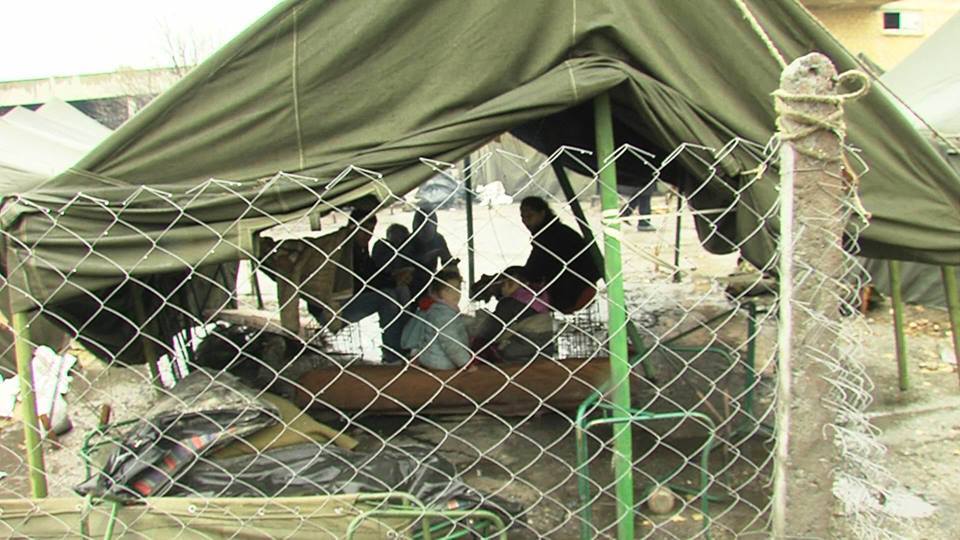
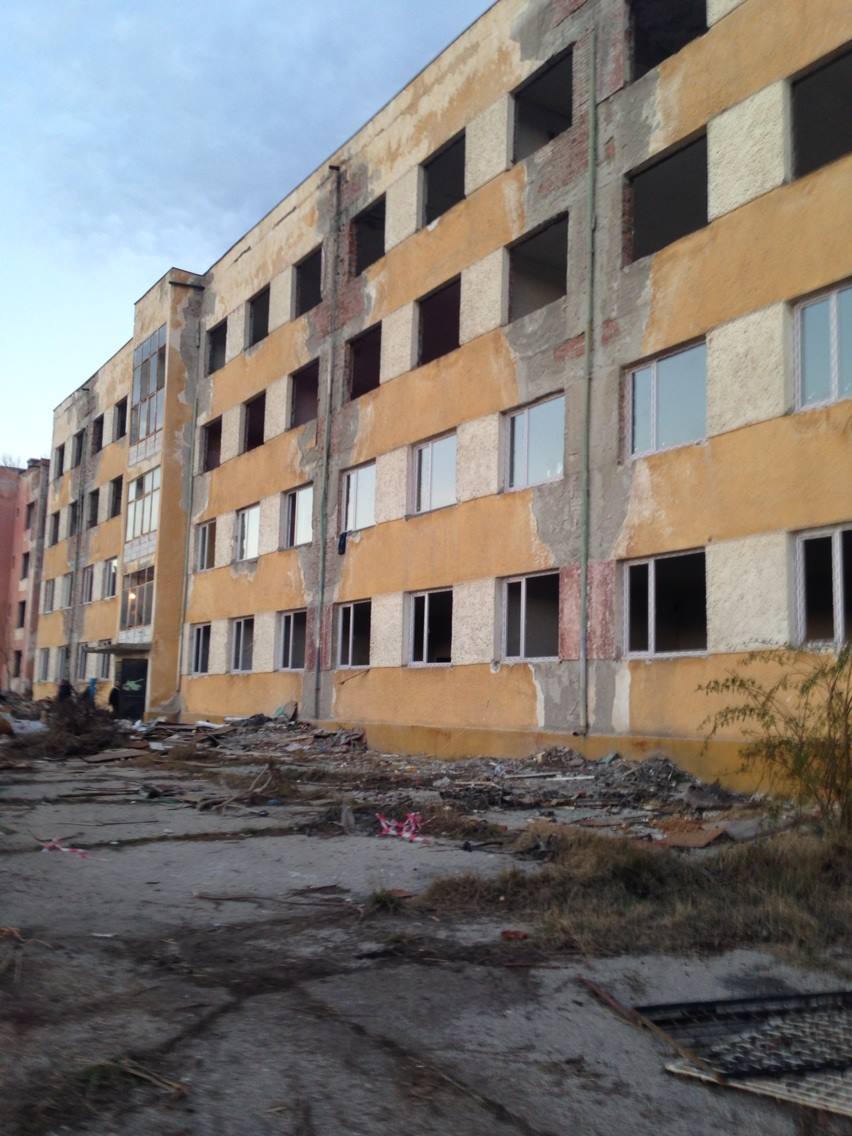
On 19th of November, refugees in Harmanli have gone on a hunger strike in the „closed type“ camp of Harmanli, among them more than 100 people, including children. Refugees tried to prevent a truck to enter the camp. Several refugees in Busmantsi and Lyubimets are striking with them. They are protesting against the miserable conditions, the lack of information and strained relation with security guards and dilapidated equipment. The camp was built for 450 people, but as of now more than 1200 inhabit it – according to the State Agency for Refugees (SAR) 1296 people are living there, but many more are still waiting to be registered. Many of the refugees are living in tents now. The filthy three toilets and eight showers are definitely not enough. The people there say that you can only get out of the camp if you have some money, the refugees suffering from the cold.